BP 704T: NDDS

Intrauterine drug delivery systems

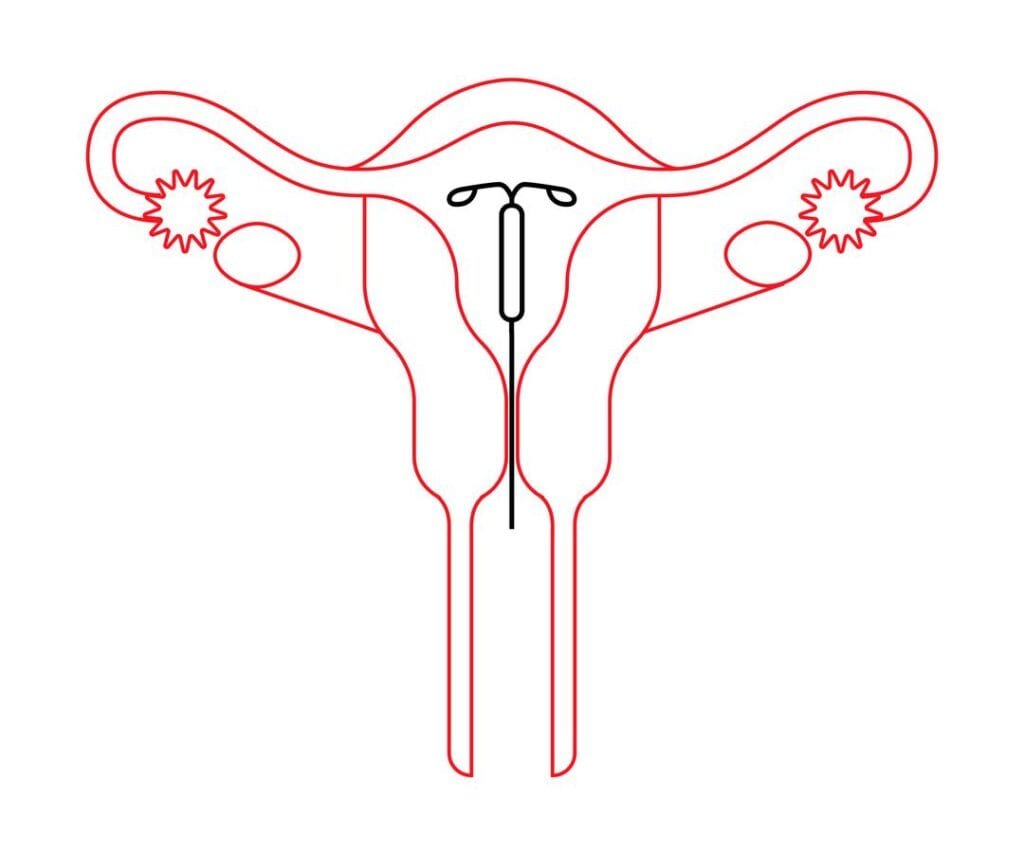
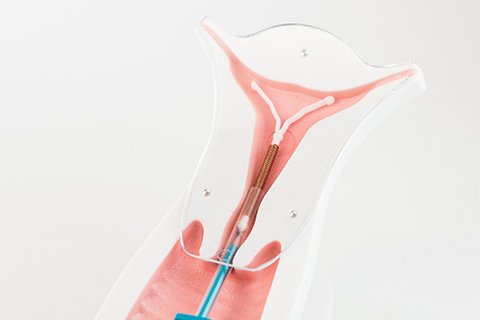
Introduction to Intrauterine Drug Delivery Systems

For a long time, the vagina was considered as an organ incapable of systematically absorbing drugs. The development of newer routes has made way to consider the vagina and the uterus as the administration routes. There are several benefits to it. These routes avoid the hepatic first-pass metabolism effect and allow female patients to self-administer […]

Introduction to Intrauterine Drug Delivery Systems Read More »
Applications of microencapsulation

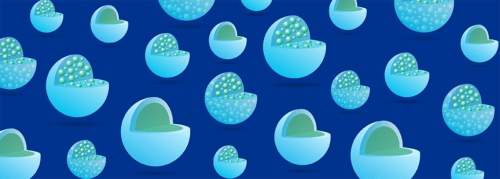
Applications of microencapsulation and challenges

Microencapsulation is widely used to manufacture prolonged-release dosage forms, pulsatile release dosage forms, and targeted drug delivery systems. Apart from this, it has some other standard Applications of microencapsulation that are listed as follows : Applications of microencapsulation Encapsulation of the drug prevents its contact with the biological fluid unnecessarily and thereby improves the drug

Applications of microencapsulation and challenges Read More »

Applications of IUD

IUD (Intrauterine Device) Applications

A wide variety of ever-increasing IUD drug delivery systems with different formulations and properties are available in the market. We can find the in vitro tests in different pharmacopeias and monographs. There are methods to analyze the quality control of the final product. However, predictability cannot be estimated appropriately. The advantages are encouraging comprehensive Applications

IUD (Intrauterine Device) Applications Read More »

Methods of microencapsulation

Methods of Microencapsulation and Process

The method of microencapsulation depends on the core material, the application of the microcapsule, size of particles needed, release characteristics of the microcapsule, and the cost of production. The commonly adopted microencapsulation techniques are : Methods of microencapsulation Air suspension technique Coacervation – Phase separation Spray drying Spray cooling Multi – orifice centrifugal process Pan

Methods of Microencapsulation and Process Read More »

Microencapsulation

Microencapsulation: Advantages and disadvantages

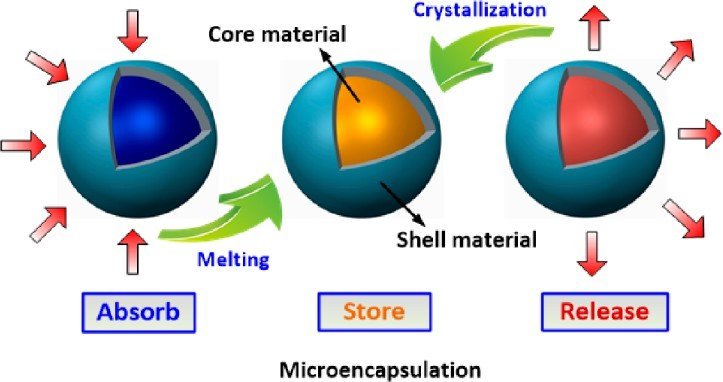
Microencapsulation means applying relatively thin coatings to small particles of solids or droplets of liquids or dispersions. It involves the coating of particles ranging from several tenths of a micron to 5000 microns in size. This technique is an effective means of converting liquids to solids by altering their colloidal and surface properties. It also

Microencapsulation: Advantages and disadvantages Read More »

Multiparticulate drug delivery systems

Constituents of multiparticulate drug delivery system

Multiparticulate drug delivery systems consist of three common constituents: microparticles, microcapsules, and microspheres. These microcarriers do not traverse through the interstitium and therefore produce local action. Multiparticulate Drug Delivery Systems: Major constituents Microparticles – These particles range from 1 to 1000 microns in size and are generally of spheroid shape. They have a well-known matrix or

Constituents of multiparticulate drug delivery system Read More »

Implants and Osmotic pumps

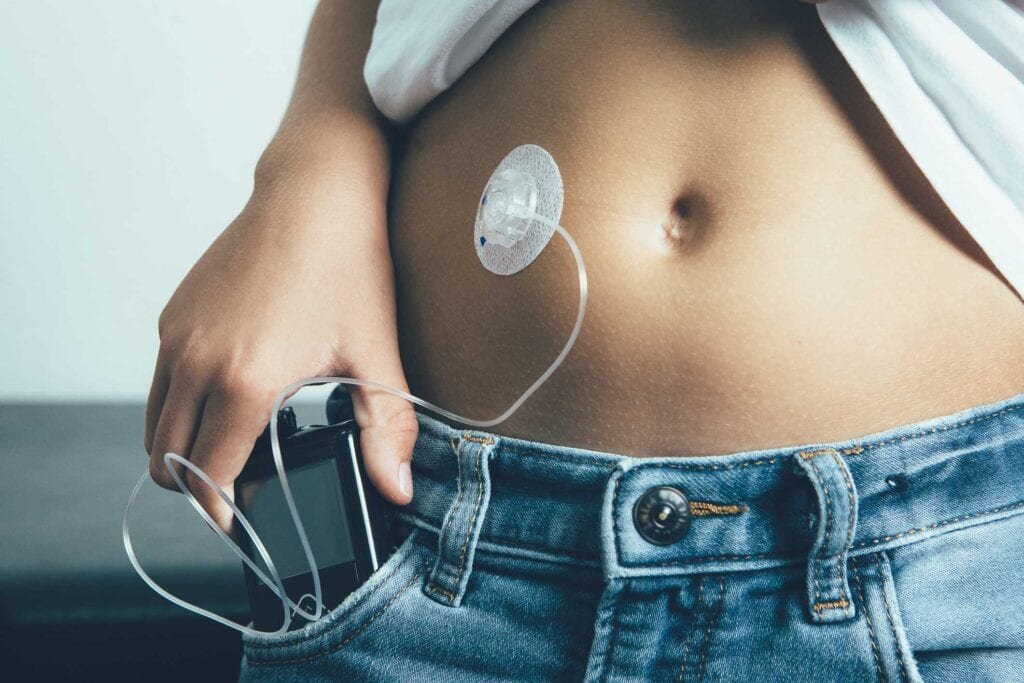
Implants and Osmotic pumps: Types and Uses

Implantable drug delivery systems – Implants and Osmotic pumps: Implants are sterile solid masses intended for implantation into the body by a minor surgical incision or injection through a large-bore needle. They are often placed in convenient yet inconspicuous regions under the skin, especially in the subcutaneous or intramuscular tissue. With limited drug loading capacity,

Implants and Osmotic pumps: Types and Uses Read More »

Scroll to Top