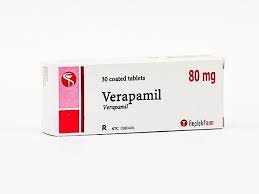
| Category of Drug | Verapamil is Antianginal Drugs |
| Mechanism of Action | |
| Indications | Verapamil is used for 1. Angina 2. Including stable 3. Unstable and Prinzmetal angina 4. Arrhythmias 5. Ischaemic heart disease 6. Migraine |
| Well Known Pharmaceutical Brands | |
| Available dosage forms | 1. TABLETS 2. INJECTION |
| Dose | |
| Contraindications | 1. Hypotension 2. Bradycardia 3. Second- and third-degree atrioventricular block 4. Sinoatrial block, sick sinus syndrome 5. Cardiogenic shock 6. History of heart failure or significantly impaired le ventricular function 7. Atrial flutters or fibrillation complicating Wolff-Parkinson- White syndrome 8. Porphyria |
| Precautions | 1. First-degree atrioventricular block 2. Kidney impairment 3. Cirrhosis patients 4. The acute phase of myocardial infarction 5. Hepatic impairment 6. Children 7. Interactions 8. Pregnancy 9. Lactations |
| Adverse Effects | 1. Constipation 2. Nausea 3. Vomiting 4. Flushing 5. Headache 6. Allergic reactions 7. Myalgia 8. Arthralgia 9. Paraesthesia 10.Increased prolactin concentration 11. Gynaecomastia and gingival hyperplasia on long-term treatment 12. With high doses 13. Hypotension 14. Heart failure |
| Pregnancy Category | C |